How to manage restaurant orders efficiently across tables, kitchen, and history — habits and tools that keep service moving.
Efficient order management is a relay: capture accurately, send clearly, cook in sequence, settle cleanly, and keep history searchable. Breaks in that relay show up as remakes, slow turns, and angry tickets.
Capture once, correctly
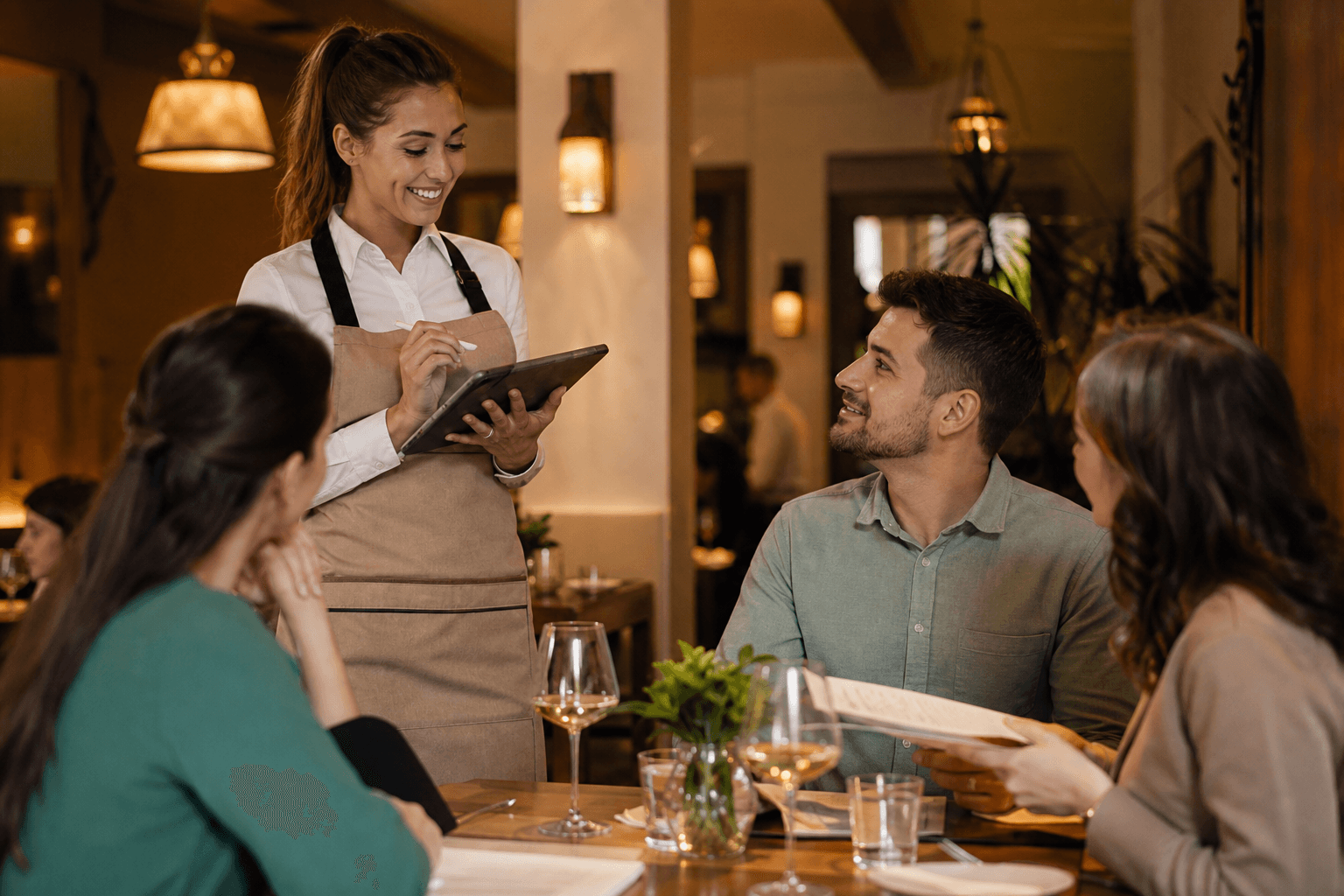
Train staff to search the live menu instead of memorizing prices. Mark unavailable items so they cannot be sold by accident. For table service, keep the table identity on the ticket from seat to settlement.
Send with intent
- Fire courses when the table is ready — not when the server is anxious
- Use clear modifiers (spice, allergies) the kitchen can read at a glance
- Avoid dual systems (POS ticket + WhatsApp “extra note”) that diverge
Watch status, not people
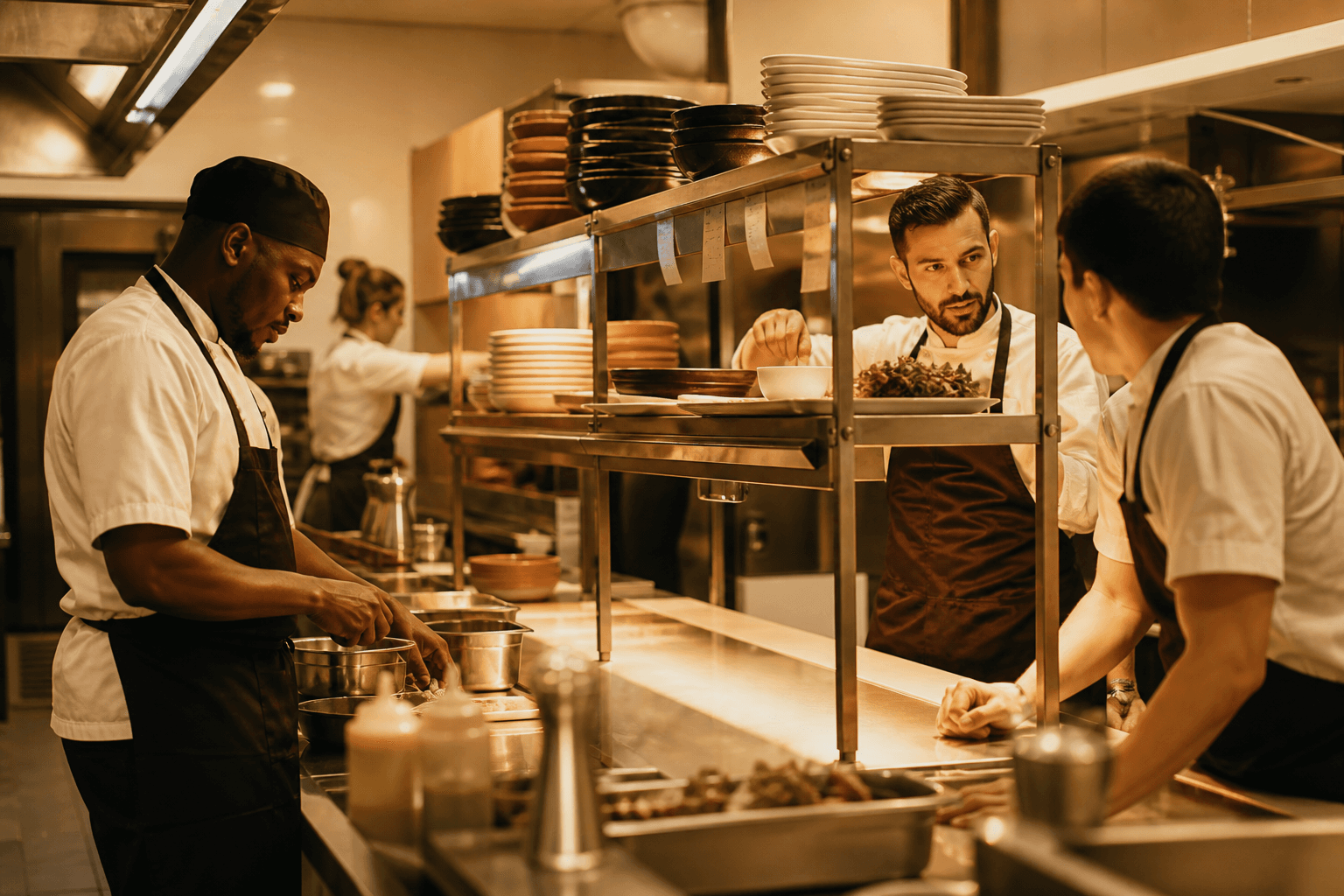
Floor should glance at kitchen status instead of interrupting the pass. Managers should spot stuck tickets early. After service, skim order history for void patterns and slow tables — that is coaching data.
Think beyond dine-in
Takeaway, waitlist, and reservations change timing rules. A reservation that fires too early wastes food; one that never lands on the kitchen after guests arrive creates chaos. Align modes with your real floor policy.
RestoHub order flow is designed around that relay — tables, kitchen integration, history, and multi-outlet awareness in one free hub.