How to calculate restaurant food cost with a simple formula, portion discipline, and inventory habits that keep the number honest.
Food cost percentage is one of the few numbers every serious restaurant should know. A common operator formula is: (Beginning inventory + Purchases − Ending inventory) ÷ Food sales.
Targets vary by concept — fine dining differs from QSR — but the discipline is universal: same method every week beats a perfect formula used once a year.
Make the inputs trustworthy
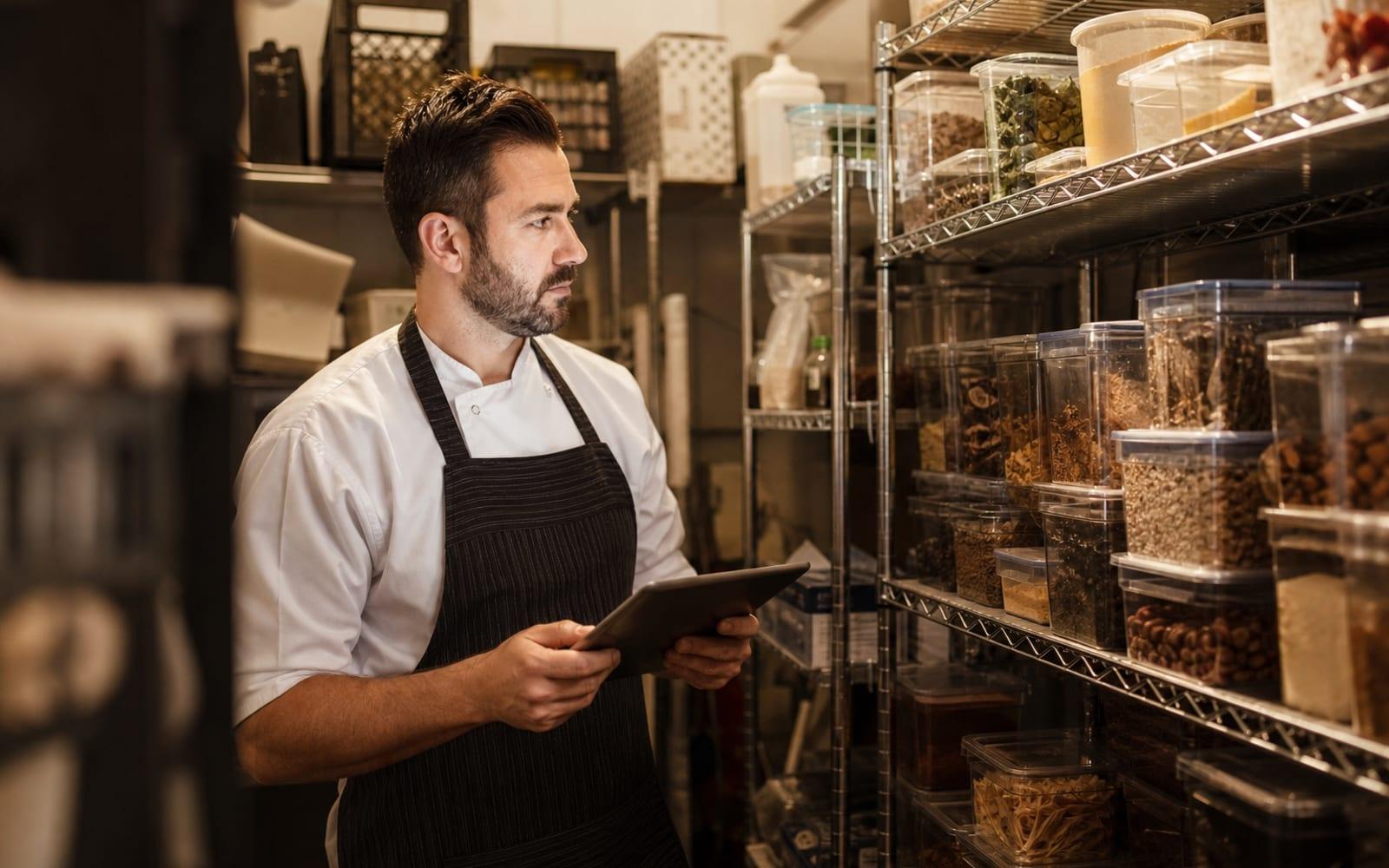
- Count critical inventory on a fixed schedule
- Log purchases completely (including cash market runs)
- Separate waste notes from “mysterious disappearance”
- Use actual selling prices for the sales side
Recipe costing vs theoretical cost
Plate cost from recipes is theoretical. Real food cost includes waste and theft-like gaps. Track both: theory tells you if the menu is priced; reality tells you if the kitchen is controlled.
Act on the number
Rising food cost without rising sales often points to waste, portion creep, or supplier price changes. Falling food cost with angry guests may mean portions shrank too far. Pair the metric with ticket and waste notes.
RestoHub supports the operational side — inventory awareness, expense logging, and income from paid orders — so your food cost inputs are easier to gather even if final tax books live with your accountant.