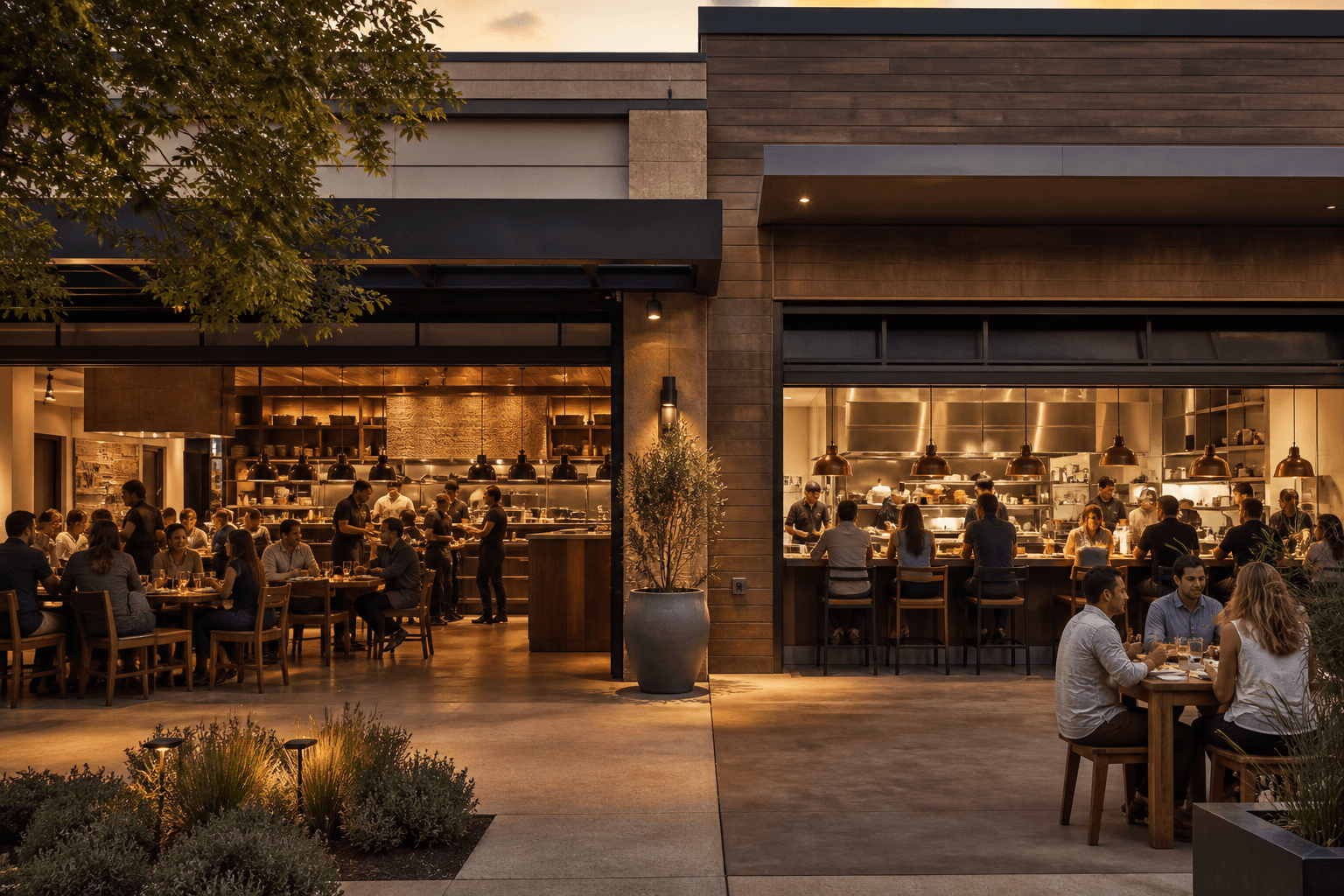
How growing restaurant brands manage multiple outlets: shared standards, local stock, permissions, and visibility without chaos.
Multi-outlet restaurant management fails when every location invents its own process — or when headquarters forces one spreadsheet that ignores local reality. Growing brands need shared standards with outlet-scoped data.
What should be shared vs local
- Shared: brand recipes framework, checklist templates, role definitions
- Local: stock quantities, daily covers, some menu prices, staff rosters
- Careful: promotions — global idea, local execution windows
Permissions beat shared logins
Never share one owner password across managers. Assign outlet access so staff only see locations they work. Owners and admins keep the wide lens; floor staff stay focused.
Compare outlets without shaming
Use the same definitions for “paid,” “waste,” and “ready.” Then compare. A quieter outlet may still be healthier on food cost. Visibility is for coaching, not only ranking.
RestoHub is built for this growth path: one organization, many outlets, switcher-based context, and permissions that match real teams.